Fume Hood Models

Standard Fume Hood

STANDARD
FUME HOOD

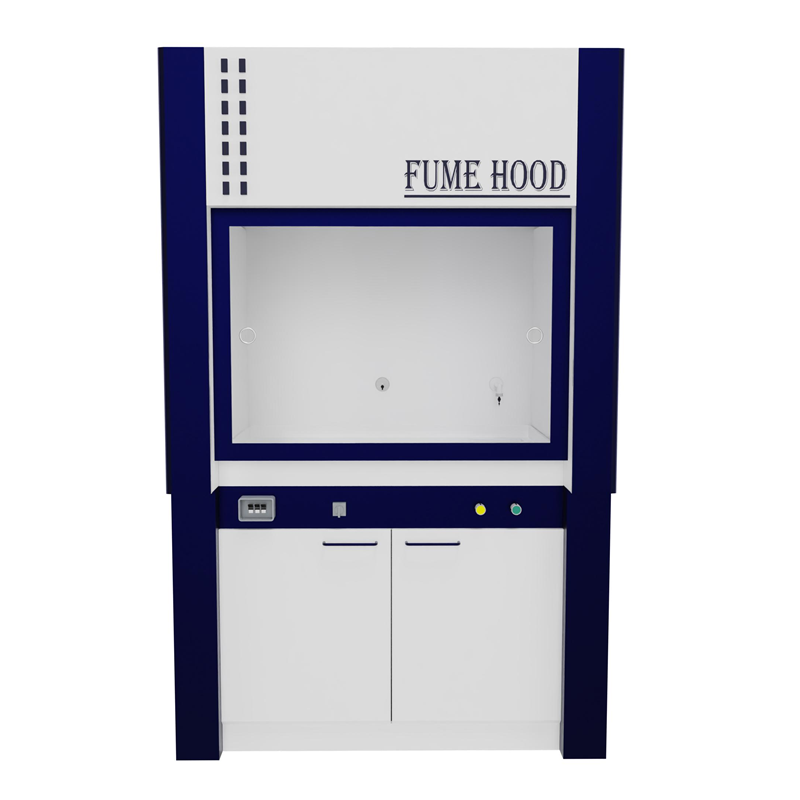
Standard fume hoods are safety devices designed for the rapid and effective removal of chemical vapors, harmful gases, and hazardous fumes in laboratories, industrial facilities, and the chemical industry. They ensure the quick elimination of hazardous substances generated during chemical reactions, heating processes, and other experimental procedures. Fume hoods maintain indoor air quality and protect worker health.

Standard fume hoods operate with high airflow capacity and advanced ventilation systems. They safeguard personnel health and maximize safety within laboratory environments.

LEARN MORE
Standard Fume Hoods - Orkalab
Fume Hoods Compliant with International Standards

Our Standard Fume Hood models are manufactured in accordance with international standards.

  • ANSI/AIHA Z9.5: American national standards define safety requirements for fume hoods and ensure the safe removal of chemical vapors.
  • EN 14175: European standards cover the safety and performance requirements of laboratory ventilation systems.
  • OSHA: The Occupational Safety and Health Administration (OSHA) defines installation and maintenance requirements.
  • TS EN ISO 9001: Quality management system standards.
High Performance Ventilation and Safety!
Standard Fume Hood Features
Stainless Steel Body
• High-quality stainless steel is resistant to chemicals and offers long-term use. Its resistance to corrosive substances and cleanable surface ensures hygienic and safe operation.
• Conforms to industrial standards for strength and durability.

Galvanized Steel Pipes and Ducts
• Galvanized steel pipes show high resistance to corrosive substances and are suitable for long-term use.
• Ventilation ducts in fume hoods are used to ensure high airflow.

Transparent Glass (Standard)
• 6 mm thick tempered glass is used to provide visual access, making process observation easier.
• Safety glass is impact-resistant and offers high security.
The flooring material in fume hoods is important for durability and ease of cleaning. Commonly used flooring materials include:

• Industrial Ceramic
• Anti-Acid Compact Laminate
• Stainless Steel
• Epoxy Resin
Cabinet Structure and Material Selection
• Base cabinets are made of durable materials such as stainless steel or laminated anti-acid compact. These materials provide protection from chemical splashes and corrosive effects.
• Stainless steel cabinets meet high hygiene requirements and offer long-term use.

Storage Space and Organization
• Base cabinets allow laboratory materials to be stored in an organized and secure manner.
• Drawer systems provide organized storage for small laboratory tools and equipment.
• Shelved systems are ideal for placing larger equipment and experimental materials neatly.

Sealed Base and Locking Features
• Sealed bases prevent chemical splashes from leaking out and allow for controlled drainage of liquids.
• Locking systems protect hazardous or dangerous materials from unauthorized access.

Mobile Base Cabinets (Optional)
• Mobile cabinets can be easily moved to organize laboratories. Lockable wheels allow repositioning and secure stabilization.
High Airflow Capacity
• Provides airflow between 200–300 m³/min to quickly expel chemical gases.
• This ensures rapid removal of gases and vapors in industrial and laboratory environments.

Fan and Motor Features
• Centrifugal fans are used to provide airflow. These fans offer high air volume with low energy consumption.
• Fan motors are designed to be quiet, efficient, and long-lasting. Adjustable fan speed provides optimal airflow based on user needs.

Active Air Filter System (Optional)
• Activated carbon and HEPA filters effectively remove harmful gases and particles.
• Especially useful for minimizing the impact of toxic gases in the environment.
Automatic Shutdown and Alarm System (Optional)
• If any interruption in airflow is detected, the system activates the automatic shutdown feature and triggers an alarm.
• This feature helps prevent chemical leaks and enhances worker safety.

Fire-Resistant Structure
• Fire-resistant materials used in fume hoods minimize the risk of fire during chemical processes, maximizing safety.
Gas Connections
• Gas ports allow integrated gas lines to be connected to the fume hood. This is particularly useful in chemical experiments and industrial production processes.

Vacuum System
• Vacuum ports help clean the environment quickly. This system enhances ventilation performance by quickly exhausting gases.

Water Faucets (Optional)
• Integrated water faucets offer easy access for procedures requiring water. They can be used conveniently where water is needed.

Sink for Drainage
• A drainage system with an integrated sink can be added for the safe discharge of chemicals or liquids, especially in the case of spills.

Steel Rods and Fixing System for Experimental Equipment
• Steel rods and hanging systems ensure experimental devices are securely placed and fixed. This feature enhances safety, particularly in experiments involving chemicals.

LED Lighting (Standard)
• Integrated LED lighting inside the fume hood improves visual access and provides a bright working environment.

You can explore other
Fume Hood models.

Let's design your laboratory together!

For the laboratory you need; ORKALAB offers custom solutions focused on durability, efficiency, and safety. Plan your projects with us!

GET A QUOTE NOW
With the most ideal ideas, we design sustainable laboratories suitable for your purpose and budget.

From the very beginning, we offer you the most rational laboratory solutions with our expert team. You can contact us for project design, production, installation, and all the devices and equipment you need.

Orkalab